Feeling overwhelmed by AI? Learn the Centaur Mindset. Read More →
A visual representation of an intercepting proxy sitting between a client and a server, with traffic flows being inspected in a terminal-like view.

Intercepting Opaque Traffic: A mitmproxy Security Regression Harness

Most security monitoring tools rely on server-side logs or cloud-native telemetry. But what happens when the client is opaque? When a mobile app, a single-page application (SPA), or a proprietary service is behaving in ways the server doesn’t fully document, you need a way to look at the wire directly. This post also marks the beginning of a new experiment: The Rabbit Hole Series. Every Friday, a “Rabbit Hole Generator” I built (which I later took apart in its own post) spits out a new technical topic for me to explore for 30 minutes. This week, the generator gave me mitmproxy. ...


April 3, 2026 · 5 min · Scott Algatt
A secure vault integrated into a Kubernetes container cluster, representing secrets management

Kubernetes Secrets Management: Beyond the Basics

A Kubernetes Secret is not actually secret. That’s a hard sentence to sit with, especially if you’ve been dutifully creating Secret objects and patting yourself on the back for not hardcoding credentials in your ConfigMap. The problem runs deeper than most teams realize, and it doesn’t get fixed by following the basic Kubernetes documentation. This post is about what actually works, at different scales, with honest tradeoffs for each approach. ...

March 20, 2026 · 12 min · Scott Algatt
A grid of glowing containers with padlocks and a shield motif in a dark datacenter atmosphere

Container Security Fundamentals: What Actually Matters

It started with a misconfigured CI runner. A developer had a Jenkins pipeline building Docker images. The container ran as root. A dependency had a known RCE vulnerability. When the exploit landed, the attacker had root inside the container, and because that process was root, they also had root on the host. They pivoted to the secrets store, grabbed credentials, and spent three weeks inside the network before anyone noticed. ...

March 6, 2026 · 12 min · Scott Algatt
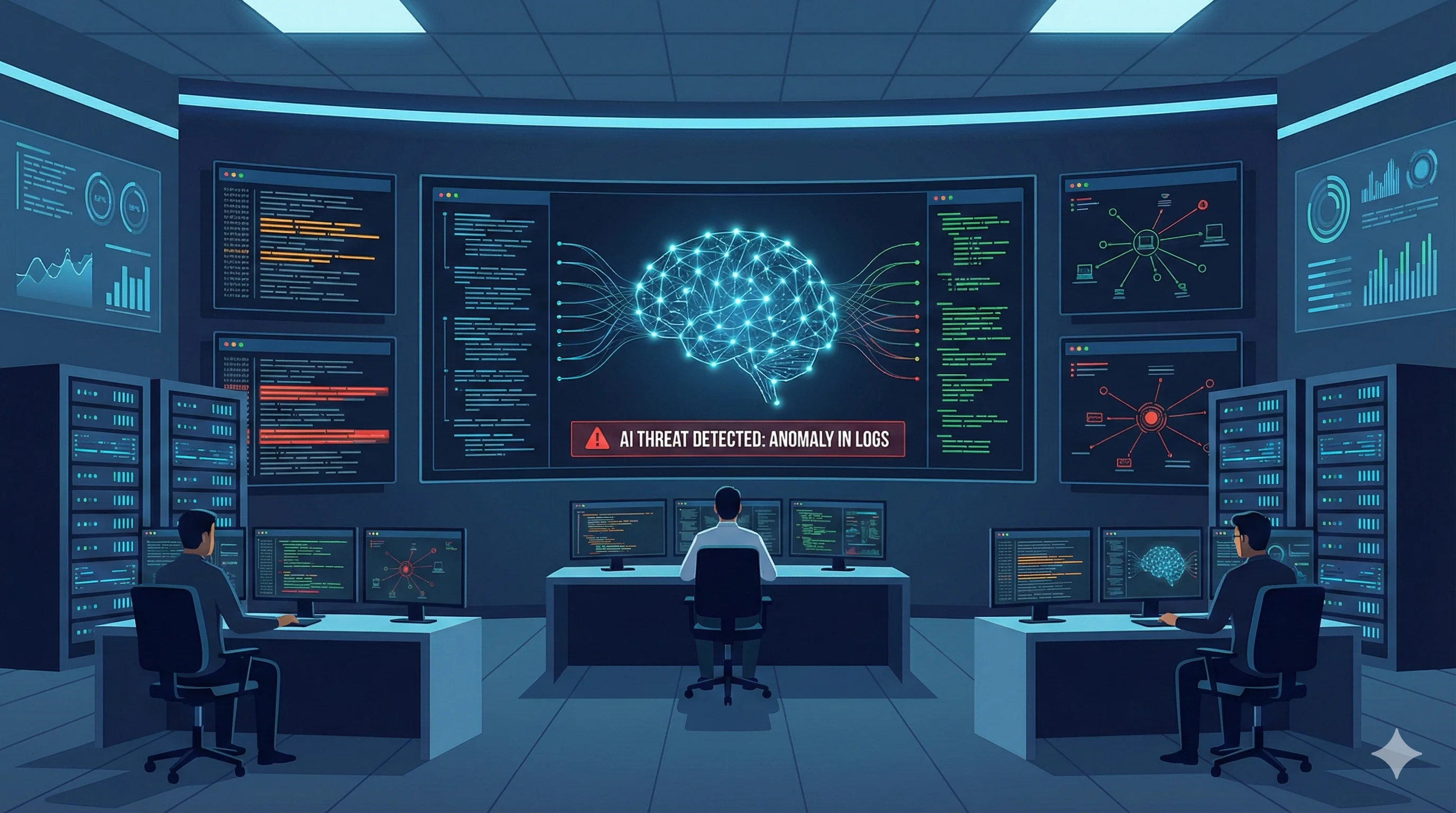
A security operations center with AI-assisted threat detection visualization

Building AI-Assisted Security Tools

This is Part 2 of “The Centaur’s Toolkit” series. In Part 1, we covered the four collaboration modes for AI pair programming. Now we apply that framework to higher-stakes territory: security. You’ve embraced AI pair programming. You’re using Strategist mode for architecture, Editor mode for refinement, and you feel like a genuine Centaur. Then your manager asks you to build a security tool. Suddenly, the stakes feel different. In regular coding, an AI-suggested bug might waste a few hours of debugging. In security, an AI-suggested bug might become a vulnerability that sits in production for months. The cost of being wrong isn’t just time. It’s trust, data, and potentially your users’ safety. ...

January 9, 2026 · 10 min · Scott Algatt
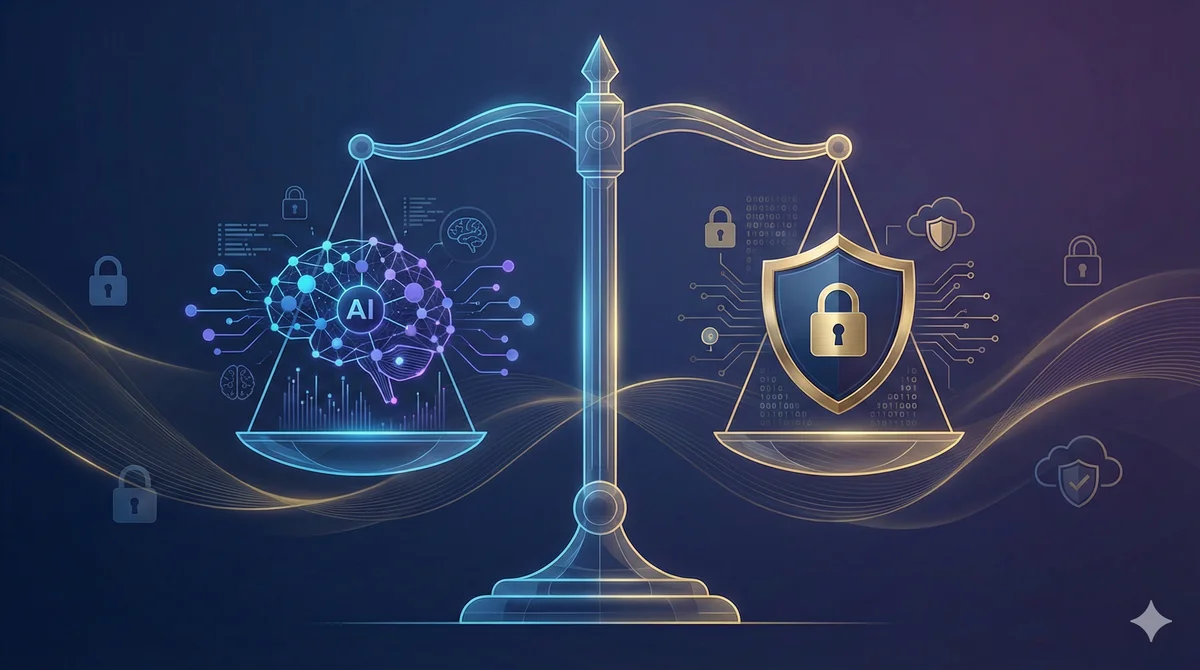
Balance of AI ethics and security represented by scales of justice

Ethical Considerations in AI Security: Bias, Privacy, and Responsible Use

Note: This guide is based on research from AI ethics frameworks, academic publications on algorithmic fairness, NIST AI guidance, EU AI Act documentation, and industry best practices. The analysis presented draws from documented case studies and peer-reviewed research on AI ethics in security contexts. Readers should consult legal and compliance teams when implementing AI security systems to ensure alignment with applicable regulations and organizational values. AI-powered security tools promise faster threat detection, automated response, and reduced analyst workload. But these benefits come with ethical responsibilities that security teams must address proactively. Unlike traditional rule-based systems, AI models can exhibit bias, make opaque decisions, and create privacy risks that traditional security tools don’t. ...

December 6, 2025 · 18 min · Scott