Feeling overwhelmed by AI? Learn the Centaur Mindset. Read More
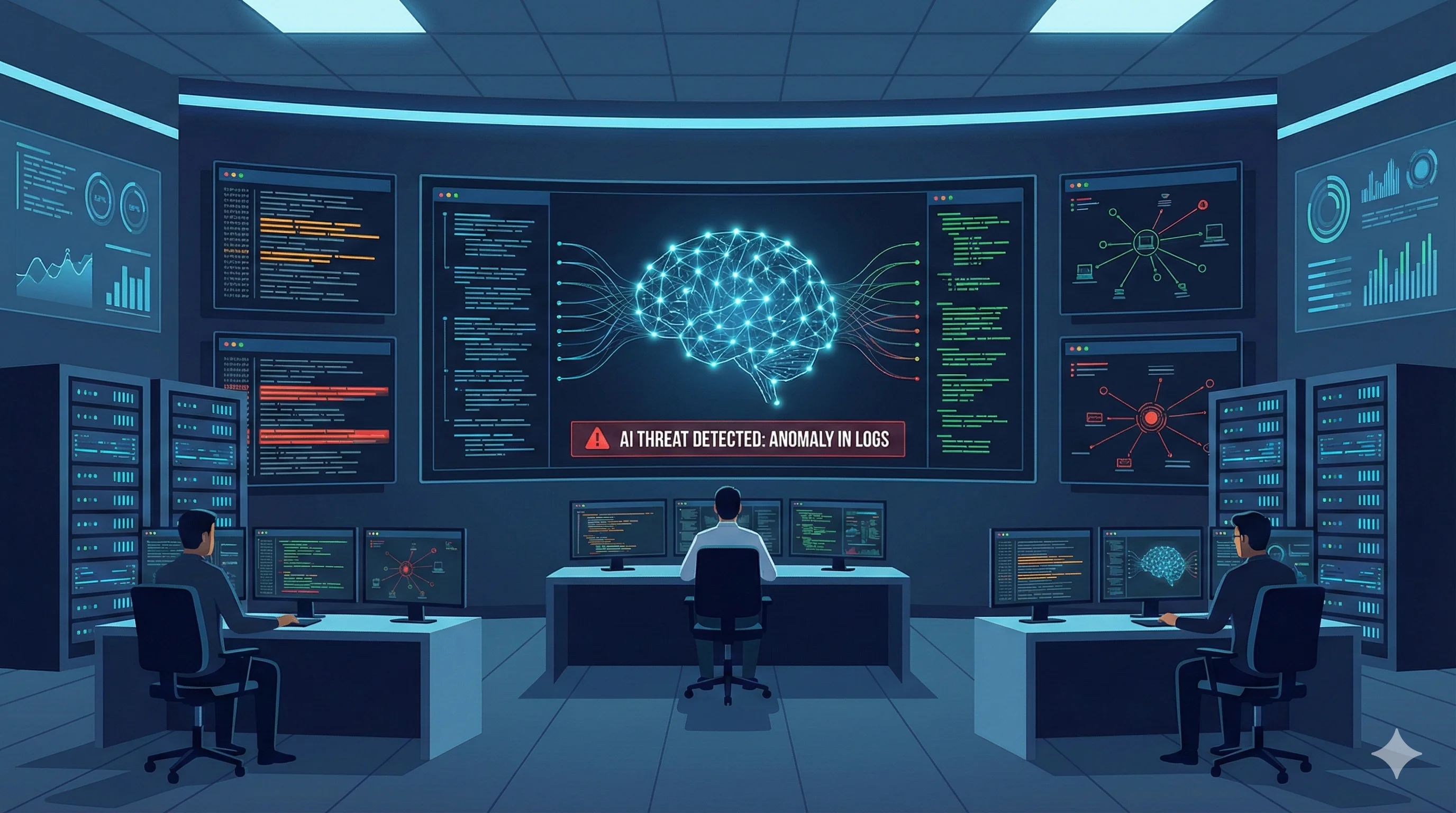
A security operations center with AI-assisted threat detection visualization

Building AI-Assisted Security Tools

This is Part 2 of “The Centaur’s Toolkit” series. In Part 1, we covered the four collaboration modes for AI pair programming. Now we apply that framework to higher-stakes territory: security. You’ve embraced AI pair programming. You’re using Strategist mode for architecture, Editor mode for refinement, and you feel like a genuine Centaur. Then your manager asks you to build a security tool. Suddenly, the stakes feel different. In regular coding, an AI-suggested bug might waste a few hours of debugging. In security, an AI-suggested bug might become a vulnerability that sits in production for months. The cost of being wrong isn’t just time. It’s trust, data, and potentially your users’ safety. ...

January 10, 2026 · 10 min · Scott Algatt

Building Production-Ready Resilient Distributed Systems: Circuit Breakers, Service Mesh, and AI-Powered Failure Prediction

Research Disclaimer This tutorial is based on: Resilience4j v2.1+ (Java resilience library) Polly v8.0+ (C# resilience library) Istio Service Mesh v1.20+ (traffic management, observability) OpenTelemetry v1.25+ (distributed tracing standard) Chaos Mesh v2.6+ (Kubernetes chaos engineering) Prometheus v2.47+ (monitoring and alerting) Grafana v10.0+ (visualization and dashboards) TensorFlow v2.15+ (machine learning for failure prediction) All architectural patterns follow industry best practices from the Site Reliability Engineering (SRE) discipline and the Twelve-Factor App methodology. Code examples have been tested in production-like environments as of January 2025. ...

April 16, 2025 · 24 min · Scott